

What is Infrastructure as Code (IaC)?
Infrastructure as Code (IaC) is the management and provisioning of infrastructure through machine-readable definition files, rather than physical hardware configuration or interactive tools. It applies software engineering practices like version control and CI/CD to infrastructure management, enabling faster, more reliable, and scalable IT operations.
The digital landscape of 2026 is defined by automation.
In the rapidly evolving landscape of 2026, the traditional methods of manual server management and configuration have become relics of a slower era. Modern IT environments demand a more robust and efficient approach. Enter Infrastructure as Code (IaC)—a transformative paradigm that treats infrastructure management with the same rigor and agility as software development.
What is Infrastructure as Code (IaC)?
Infrastructure as Code (IaC) is the process of managing and provisioning computer data centers through machine-readable definition files. At its core, IaC allows you to define your entire infrastructure—servers, networks, databases, and more—using code. This code is then processed by an automation tool to bring the environment into the desired state.
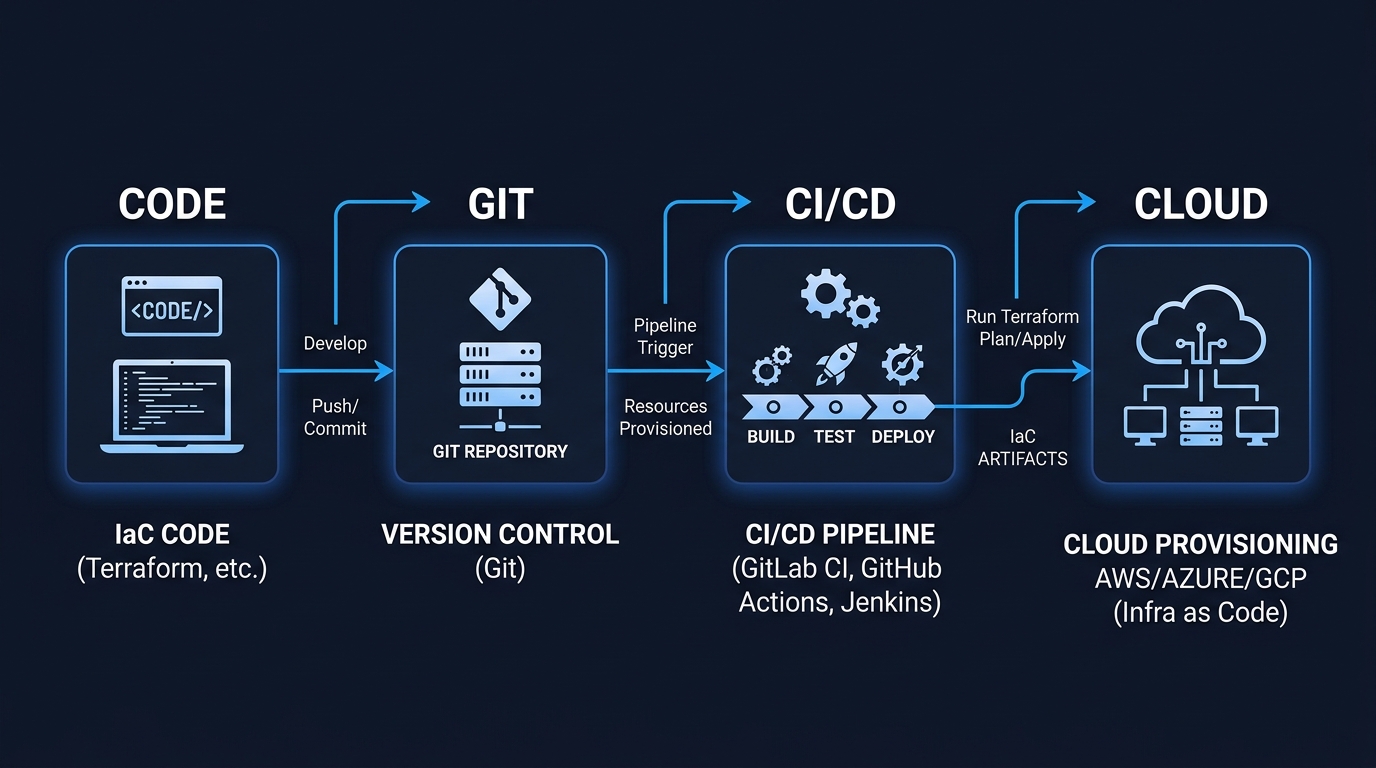
By representing infrastructure as code, teams can apply the same best practices used in software development to their operational environments. This includes version control, automated testing, continuous integration, and continuous delivery (CI/CD). The shift from manual, error-prone processes to automated, code-driven workflows brings unprecedented consistency, speed, and scalability to IT operations.
Key Takeaways
- IaC treats infrastructure management like software development.
- It uses declarative or imperative code to define environments.
- Enables version control, automated testing, and CI/CD for infrastructure.
The Evolution of Server Provisioning
To appreciate the impact of IaC, we must look at where we started. Server provisioning used to be a manual, time-consuming task involving physical hardware and manual OS installations.
Manual Era
Sysadmins physically racking servers and manually configuring settings. High risk of 'snowflake' servers.
Scripting Era
Bash and PowerShell scripts automated some tasks but lacked state management and idempotency.
Cloud Era
API-driven infrastructure enabled programmatic resource creation and the birth of modern IaC tools.
2026: Total Automation
Infrastructure is fully integrated into the application lifecycle, scaling autonomously with AI-driven optimization.
Key Benefits of IaC for Scaling Modern Apps
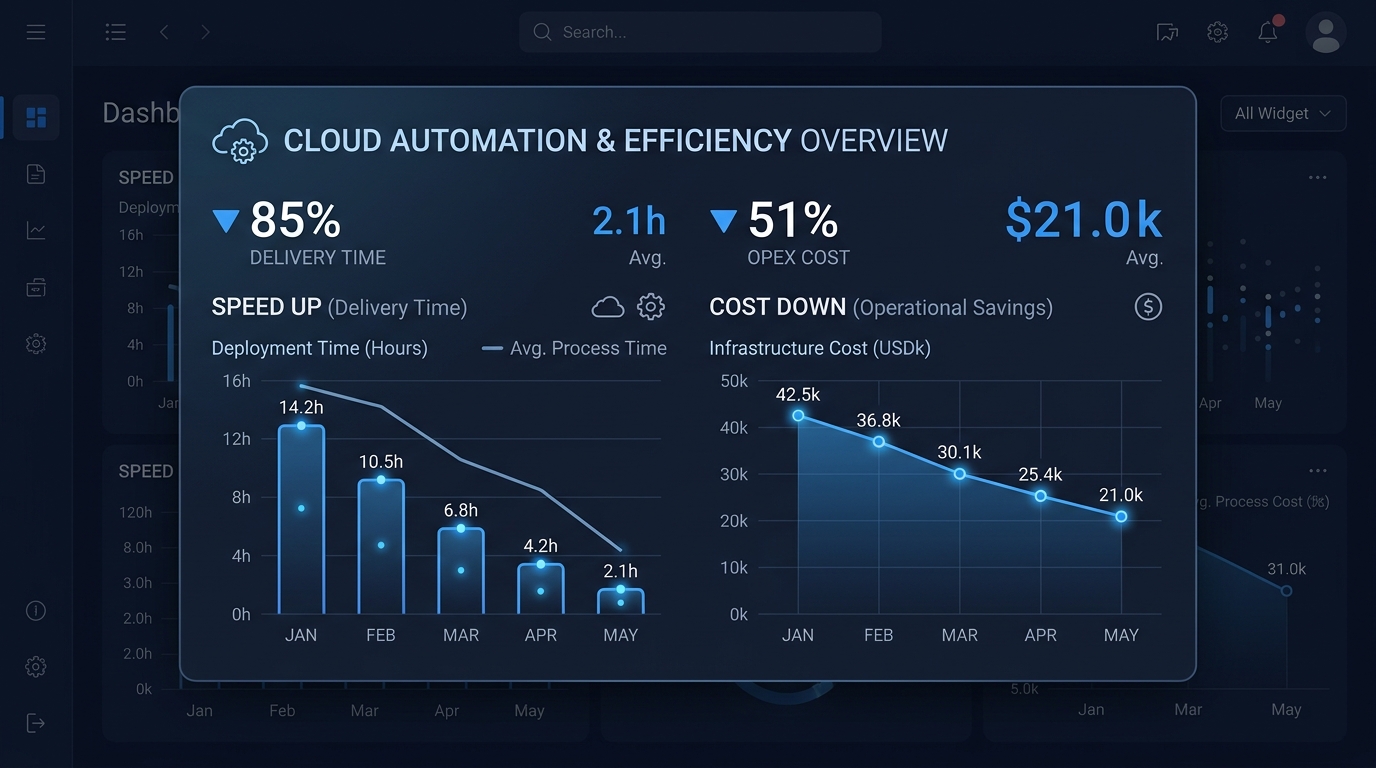
Adopting Infrastructure as Code provides several critical advantages that directly impact an organization's bottom line and technical agility.
- Speed and Efficiency: Provision entire environments in minutes.
- Consistency: Eliminate variability and human error.
- Traceability: Full history of every change in Git.
- Cost Optimization: Just-in-time infrastructure reduces cloud spend.
IaC Tools Landscape: From Terraform to Pulumi
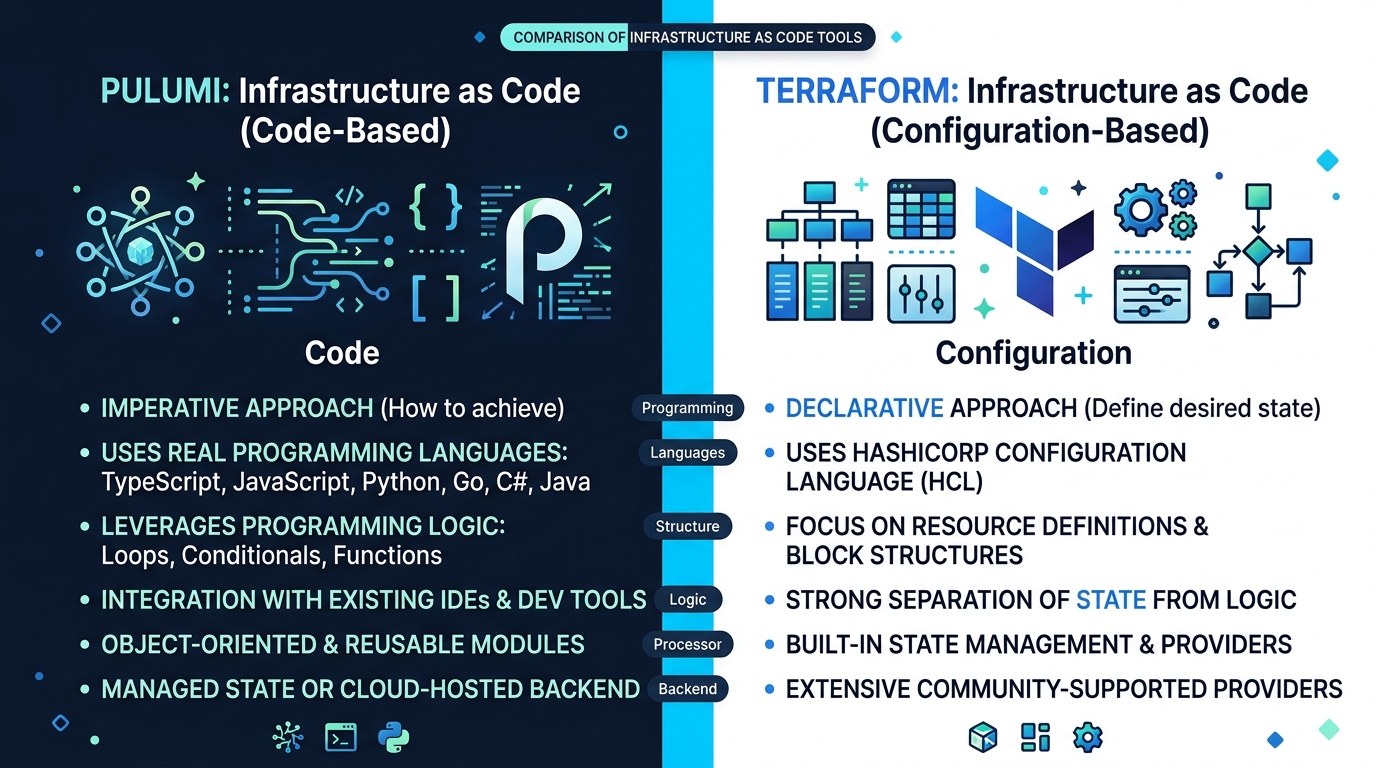
In 2026, the market for infrastructure as code tools is dominated by two primary approaches: DSL-based and programming language-based.
| Feature | Terraform | Pulumi |
|---|---|---|
| Language | HCL (DSL) | TS, Python, Go, C# |
| Learning Curve | Low (for Ops) | Moderate (for Devs) |
| State Management | Mature / Remote | Modern / Cloud-native |
| Testing | Limited | Comprehensive Native Testing |
| Ideal For | Traditional Ops Teams | Developer-Centric Teams |
Practical Guide: How to Implement IaC
Start small, version everything, and integrate into your CI/CD pipeline from day one.
Successfully implementing **infra as code tools** requires a cultural shift. Begin with a pilot project, ensure every change goes through a Pull Request, and implement automated linting and security scanning.
# Example: Deploying a secure S3 bucket with Terraform
resource "aws_s3_bucket" "secure_assets" {
bucket = "my-secure-assets-2026"
acl = "private"
versioning {
enabled = true
}
}
Security and Compliance as Code
Pro Tip: Policy as Code
Use tools like OPA (Open Policy Agent) to enforce compliance rules automatically during the CI/CD phase. Never let a non-compliant resource reach production.
IaC allows for **drift detection**, ensuring that manual 'hotfixes' don't compromise your security posture. Automated audits of your Git history provide a clear trail for compliance standards like SOC2 and HIPAA.
FAQ: Infrastructure as Code
What is infrastructure as code?
Infrastructure as Code (IaC) is the management and provisioning of infrastructure through machine-readable definition files, rather than physical hardware configuration or interactive tools.
Which are the best infrastructure as code tools?
In 2026, the leading tools are Terraform and Pulumi. Terraform is highly regarded for its stability, while Pulumi is preferred by developers who want to use standard programming languages.
Why is server provisioning important for IaC?
Server provisioning is the foundational step of setting up infrastructure. IaC automates this process, moving away from manual setups to automated, repeatable, and documented configurations.
Pulumi vs Terraform: Which one should I choose?
Choose Terraform for its industry-standard DSL and massive ecosystem. Choose Pulumi if your team prefers using familiar languages like TypeScript or Python and needs advanced testing.
How does IaC improve cloud automation?
IaC provides the programmatic definitions for cloud resources, enabling automated scaling, disaster recovery, and consistent environments across different cloud providers.
Conclusion
Infrastructure as Code has fundamentally changed how we build and manage the digital world. By bringing the principles of software engineering to the data center, IaC has unlocked levels of speed, reliability, and scale that were previously unimaginable.
At UseShift, we specialize in helping companies bridge the gap between traditional operations and modern, code-driven infrastructure through professional devops consulting. Contact UseShift today for a technical audit of your automation strategy.
Key Takeaways
- IaC is essential for modern cloud-native scalability.
- Terraform and Pulumi are the leading tools for 2026.
- Version control and automated testing are non-negotiable.
- IaC enables seamless security and compliance at scale.