

What is GitOps vs. DevOps?
DevOps is a broad cultural philosophy focused on breaking down silos between development and operations. GitOps is a specific technical implementation of DevOps that uses Git as the single source of truth for infrastructure and applications. Think of DevOps as the strategy and GitOps as the execution.
The digital landscape of 2026 is defined by autonomous operations.
In 2026, the landscape of software delivery has moved far beyond simple automation. We are now in the era of autonomous infrastructure, where systems are not just deployed but are self-managed, self-healing, and self-optimizing. At the heart of this revolution is GitOps.
As businesses strive for greater efficiency, the manual overhead of managing complex cloud-native environments has become a bottleneck. This is where UseShift steps in, providing strategic devops consulting that helps organizations transition from legacy "push-based" pipelines to the streamlined, declarative world of GitOps.
What is GitOps? (Core Principles & Definition)
GitOps is an operational framework that takes DevOps best practices—such as version control, collaboration, compliance, and CI/CD—and applies them to infrastructure automation.
The core idea is simple: the entire state of your infrastructure and applications is defined declaratively in Git. Git serves as the Single Source of Truth (SSOT). If the live environment deviates from what is defined in Git, automated agents detect the "drift" and synchronize the system back to the desired state.
Declarative
The entire system is described in a declarative format (YAML/Terraform).
Versioned State
Desired state is stored in Git, providing a complete audit trail.
Automated Pulls
Software agents automatically pull changes into the environment.
Continuous
Constant monitoring ensures the live state matches Git.
GitOps vs. DevOps 2026: Key Differences Explained
A common question we hear at UseShift is: "Is GitOps just a replacement for DevOps?" The answer is no. DevOps is the strategy; GitOps is the execution.
The most significant technical difference in 2026 is the move from Push-based CI/CD to Pull-based GitOps.
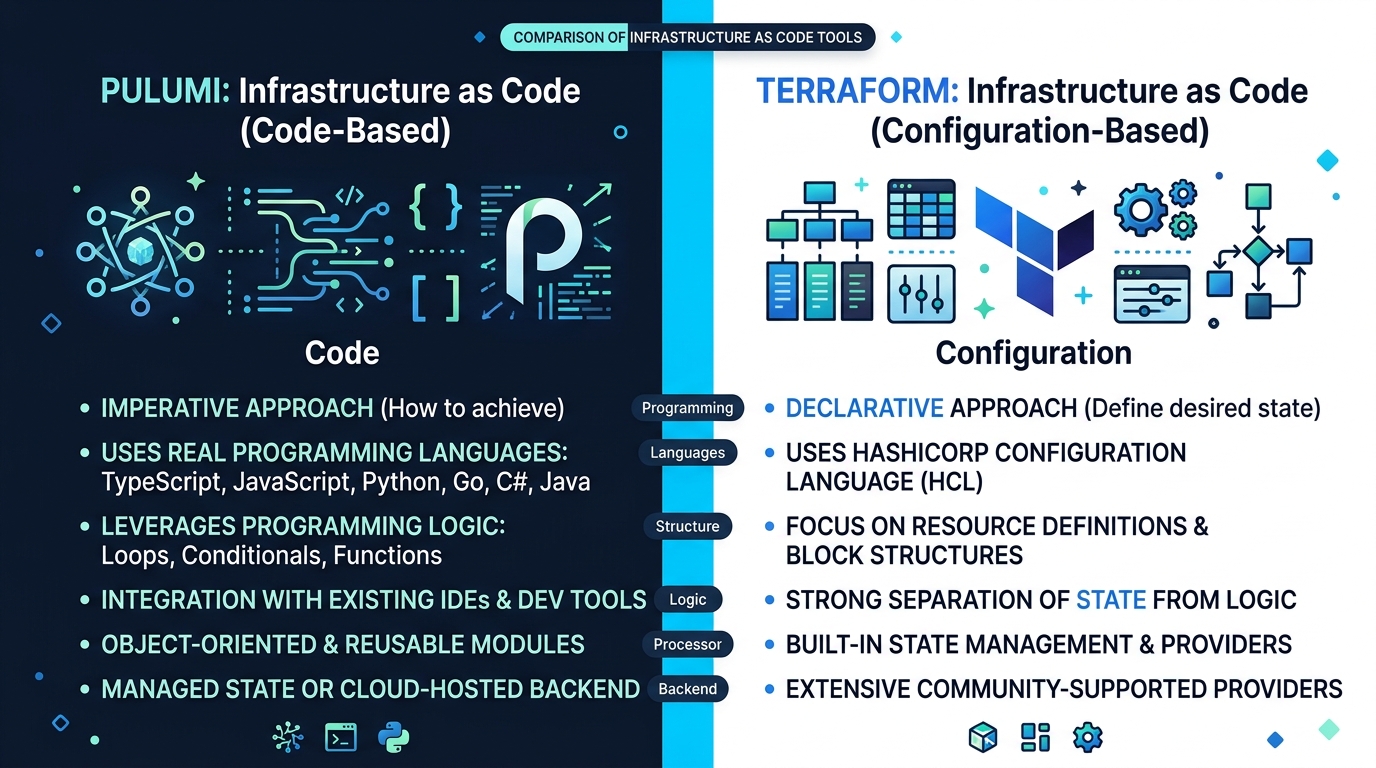
- Push Model: CI tool has cluster credentials. High security risk.
- Pull Model: Agent inside the cluster pulls changes. Zero Trust security.
Top GitOps Tools in 2026: Argo CD, Flux, and Beyond
The ecosystem has matured significantly, offering tools for every scale of operation. While Argo CD dominates the UI space, Flux remains the choice for lightweight, modular GitOps.
| Feature | Argo CD | Flux CD | Crossplane |
|---|---|---|---|
| Primary Focus | K8s App Deployment | K8s Lifecycle | Cloud Infrastructure |
| User Interface | Excellent Web UI | CLI-focused | CLI / K8s API |
| Multi-Tenancy | Strong | Moderate | Very Strong |
| Ease of Use | High (Visual) | Moderate | High (for K8s) |
| Best For | Enterprise Apps | Edge / Modular | Unified Control Plane |
GitOps for Database Migrations: The Final Frontier
In 2026, we have finally conquered the database bottleneck using GitOps for Database Migrations. Tools like Atlas and SchemaHero allow you to define your database schema in YAML, which is then reconciled by a GitOps operator.
Declarative Schema Management
Instead of manually running SQL scripts, you define the desired state. The operator generates the diff and applies it safely, with full auditability and automated rollback capabilities.
Security & Compliance: DevSecOps in a GitOps World
Security is no longer an afterthought. In 2026, GitOps security best practices are integrated directly into the Git workflow.
Pro Tip: Immutable Audit Trail
Every change to production requires a Pull Request. This provides a permanent record of who proposed, approved, and deployed every change.
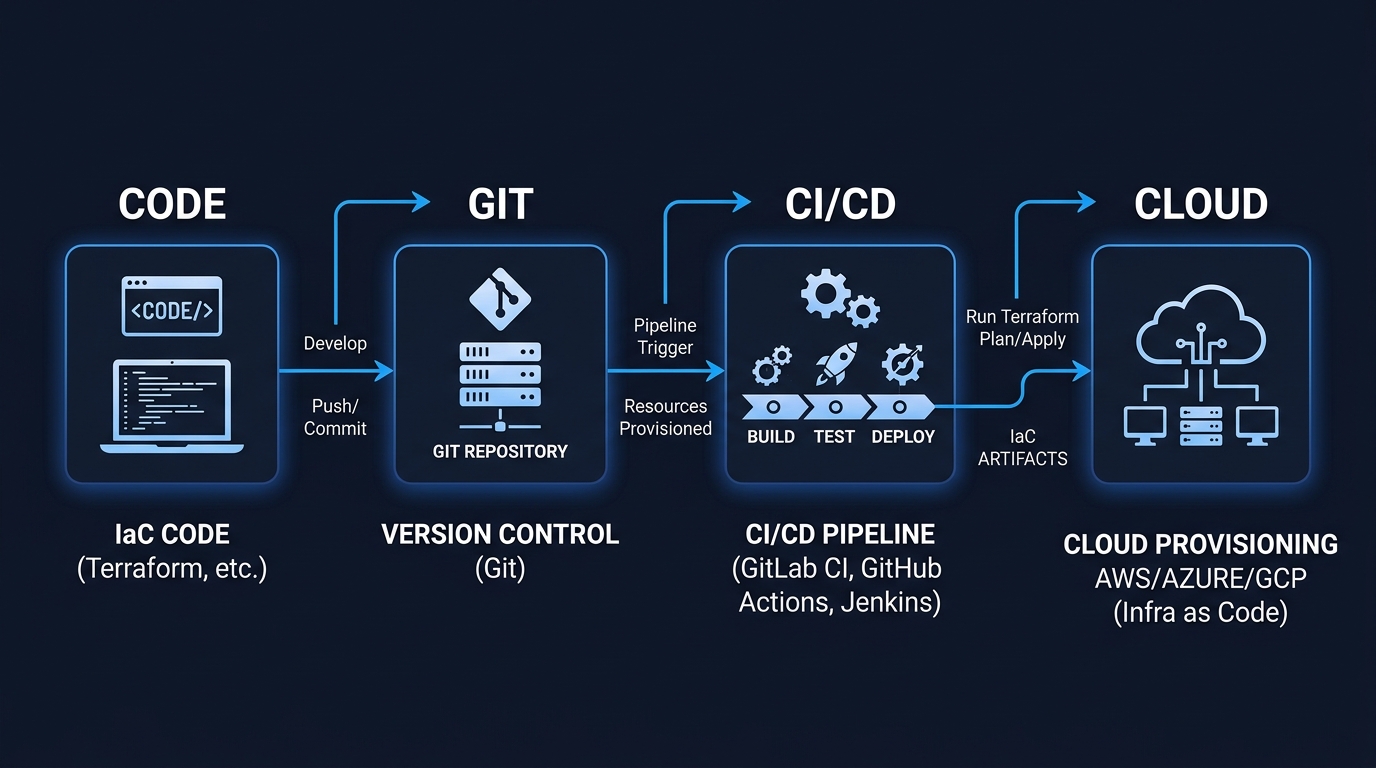
Conclusion: Starting Your GitOps Journey with UseShift
GitOps is no longer a "nice-to-have" for high-performing teams; it is the foundation of modern, scalable, and secure operations. By adopting GitOps, you empower your developers to move faster while giving your operations team the peace of mind that the system is always in its desired state.
At UseShift, we specialize in deploying autonomous GitOps workflows that eliminate manual overhead and drive efficiency. Contact UseShift today for a free GitOps readiness audit.
Key Takeaways
- GitOps uses Git as the Single Source of Truth for infrastructure.
- Pull-based models offer superior security over traditional push models.
- Argo CD and Flux are the leading tools for Kubernetes GitOps.
- AIOps is enabling proactive, self-optimizing infrastructure.
- GitOps provides a perfect audit trail for security and compliance.