


What is code testing and why is it important?
Code testing is the systematic process of verifying that software functions correctly. It is critical because it prevents bugs from reaching users, reduces long-term maintenance costs, and allows developers to change code with confidence.
Ship fast, without breaking things.
In the hyper-accelerated development cycle of 2026, the real differentiator is the ability to maintain absolute reliability while scaling complex architectures. Whether you are looking to test a code snippet or build a global-scale automated QA infrastructure, this guide provides the technical depth and strategic framework needed to achieve 99.9% reliability.
- The core architectural differences between unit, integration, and E2E testing
- How to implement the AAA pattern (Arrange, Act, Assert) for maximum clarity
- Advanced methodologies like property-based testing and mutation testing
- A comparison of the top CI/CD tools for automated assurance in 2026
- How to calculate the ROI of software quality for your organization
1. What is Code Testing? (The 2026 Definition)
Code testing is the process of verifying that a software application performs as expected across all defined requirements, edge cases, and failure modes.
In 2026, this definition has expanded. It is no longer just about checking if 2 + 2 = 4. Modern code testing encompasses performance benchmarks, security vulnerability scanning, accessibility compliance, and AI-driven predictive failure analysis.
The Shift-Left Philosophy
The most successful engineering organizations today practice "Shift-Left" testing. This means moving testing as early as possible in the software development lifecycle (SDLC). By catching bugs when they are just a single line of code in a developer's editor, you reduce the cost of fixing them by up to 100x compared to finding them in production.
Key Takeaways
- Testing should happen at the IDE level via linters and real-time runners.
- Automated checks should trigger on every Pull Request.
- The goal is to catch bugs before they ever reach a staging environment.
2. The Core Types of Code Testing
To build a resilient system, you must understand how to test and code using different layers of the "Testing Pyramid." Each layer serves a specific purpose, providing a different balance of speed, cost, and confidence.
2.1 Unit Testing: The Foundation
Unit tests isolate a single "unit" of code—usually a function or a class—and verify its behavior in total isolation. They are your first line of defense, ensuring fundamental building blocks work correctly under all mathematical and logical conditions.
2.2 Integration Testing: Connecting the Dots
Integration tests verify that different modules or services work together correctly. For instance, a function that outputs a date in ISO-8601 format and another that expects a Unix timestamp. Individually they pass their unit tests; together, they crash. Integration tests catch these "handshake" failures.
2.3 End-to-End (E2E) Testing: The User Perspective
E2E tests simulate a real user's journey through the entire application. If an E2E test passes, you know that your database is connected, your backend is responding, and your frontend is rendering correctly.
Key Takeaways
- Unit tests are fast and narrow; E2E tests are slow and broad.
- Integration tests bridge the gap by testing component handshakes.
- Regression tests protect your historical functionality from new changes.
3. Advanced Testing Methodologies for 2026
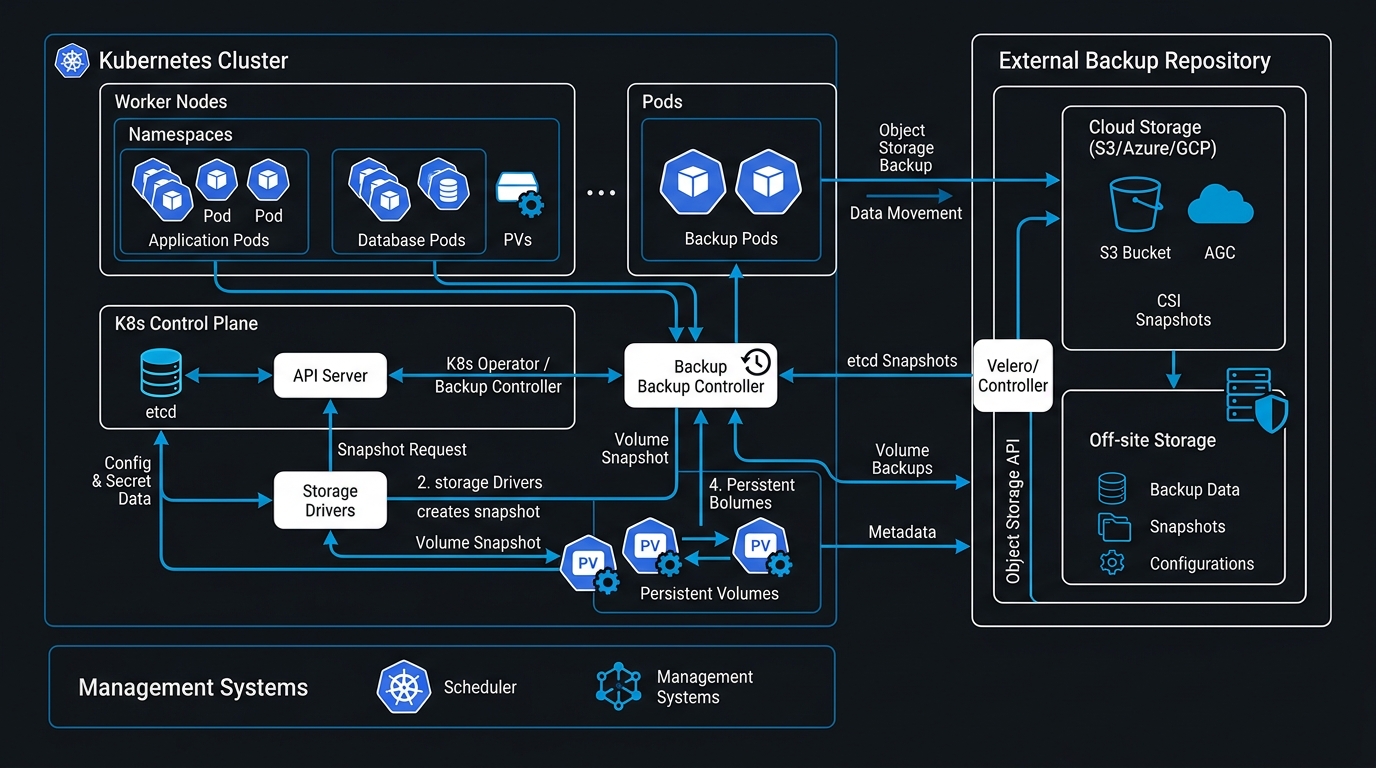
Beyond the standard pyramid, high-performing teams in 2026 are adopting advanced techniques to find bugs that traditional tests miss.
3.1 Property-Based Testing
Traditional testing uses specific inputs. Property-based testing generates hundreds of random inputs to verify a "property" that should always be true. This is incredibly effective for finding edge cases that humans would never think to test.
3.2 Mutation Testing
How do you know if your tests are actually good? Mutation testing intentionally injects bugs into your source code and then runs your tests. If your tests still pass, it means your tests failed to catch the bug, and your test suite is weak.
3.3 AI-Assisted QA & Predictive Testing
In 2026, AI analyses your code changes and historical bug data to identify "high-risk" areas. It automatically scales up testing for those specific modules while skipping tests for low-risk changes, significantly reducing CI/CD costs.
4. How Code Testing Works: The Technical Mechanics
Modern code testing relies on a structured execution loop: Arrange, Act, Assert.
// The function to test
const calculateDiscount = (price: number, percent: number) => {
  if (price < 0) throw new Error("Price cannot be negative");
  return price * (percent / 100);
};

// The test case
test('calculates correct discount amount', () => {
  // Arrange
  const price = 100;
  const percent = 20;
  const expected = 20;

  // Act
  const actual = calculateDiscount(price, percent);

  // Assert
  expect(actual).toBe(expected);
});
One of the most critical technical skills is mocking. If your code calls an external API, you create a fake version of that API that returns a pre-defined response. This makes your tests deterministic, fast, and free of external costs.
5. Manual vs. Automated Testing
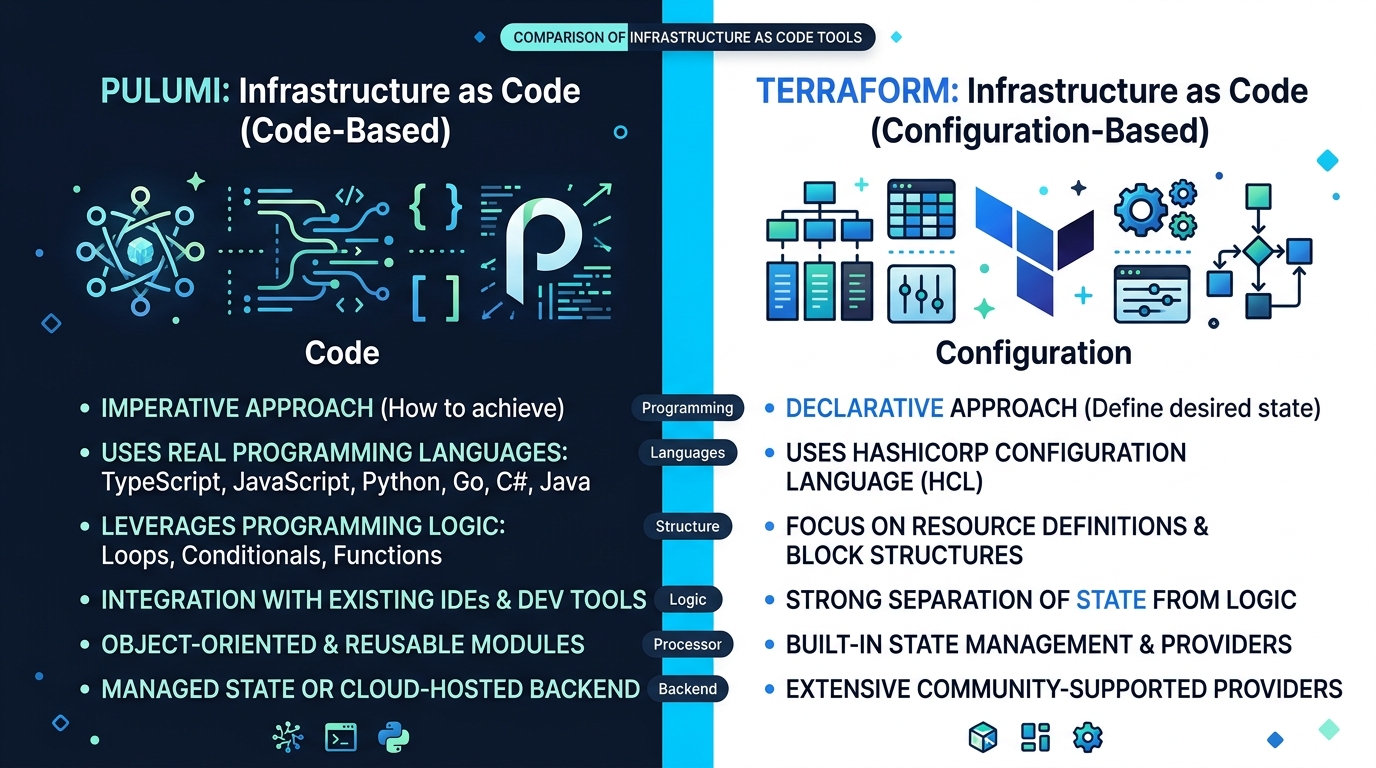
| Dimension | Manual Testing | Automated Testing |
|---|---|---|
| Execution Speed | Slow (Human speed) | Ultra-Fast (Machine speed) |
| Reliability | Prone to human error | 100% Consistent |
| Initial Cost | Low (No setup) | High (Requires setup) |
| Long-term ROI | Decreases over time | Increases exponentially |
| Best For | Exploratory & UX | Regression & CI/CD |
6. The ROI of Code Testing
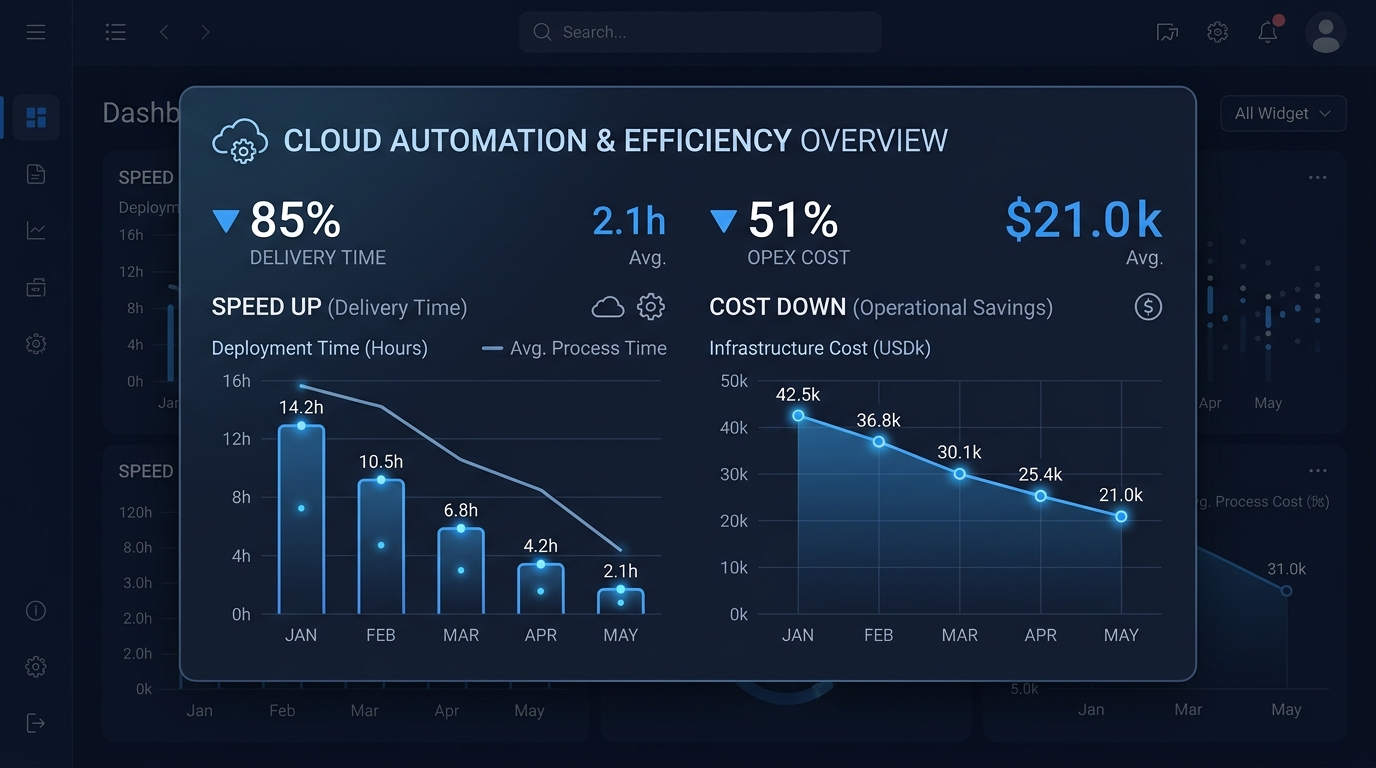
Investing in code testing is a financial decision. The ROI is driven by reduced repair times, increased developer velocity, and improved brand reputation. High-performing teams with >80% coverage typically see a 65% reduction in manual QA costs.
7. Best Practices for 2026
- Don't Aim for 100% Coverage: Focus on business logic and critical user paths.
- Make Tests Deterministic: Fix "flaky" tests immediately.
- Run Tests in Parallel: Optimize your CI pipeline for speed.
- Visual Regression: Use screenshot comparison for UI stability. This is particularly critical for complex graphical user interfaces in java where pixel-perfect precision is required.
- Security Scanning: Integrate SAST tools like Snyk.
- Contract Testing: Use Pact for microservice handshakes.
Conclusion: Shifting to a Quality-First Mindset
Code testing is the difference between an application that breaks under pressure and one that scales gracefully to millions of users. At UseShift, we specialize in building the high-performance automated testing infrastructures that allow businesses to out-innovate their competition.
Ready to eliminate deployment dread? Talk to UseShift about our Automated QA services today.